Textured Wall Art for Small Spaces: Why Moss Art Works
When you live in a compact apartment or work in a narrow office, every inch of wall space counts. Flat prints and framed photos can feel a bit static. They add colour but rarely bring depth. That is where textured wall art comes in. It changes how a room feels by adding a physical dimension that draws the eye and softens the edges of a small space.
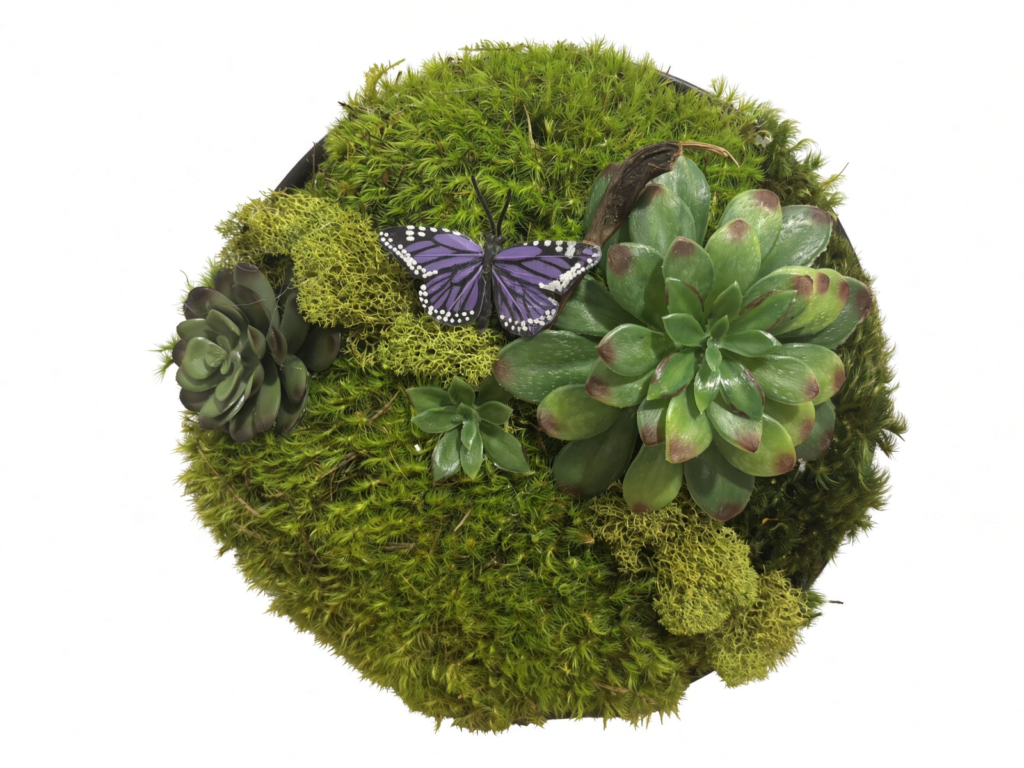
Preserved moss wall art is a prime example. It is not a painting or a photograph. It is a real, tactile surface made from preserved moss that keeps its colour and texture for years. Unlike a flat canvas, it catches light from different angles. It creates shadows and highlights that shift as you move through the room. That subtle movement makes a small space feel larger and more alive.
What Makes Textured Wall Art Different
Standard wall decor sits on the surface. It is a layer of ink on paper or a printed pattern on fabric. Textured wall art, on the other hand, has actual depth. The moss pieces are arranged in layers, sometimes with wood or stone accents, to create a three-dimensional composition. That depth tricks the eye into seeing more space than there really is. In a compact room, every visual trick matters.
The texture also absorbs sound. Moss has a natural ability to dampen echoes. In a small apartment with hard floors and bare walls, that makes a real difference. The room feels quieter and more calm. It is a practical benefit that flat prints cannot offer.
Why It Works in Compact Rooms
Small rooms often suffer from visual clutter. Too many objects, too many patterns, too many sharp lines. Textured wall art simplifies that by offering one focal point that does a lot of work. It provides colour, depth, and a natural element all at once. You do not need multiple pieces to achieve a layered look. One well-placed moss panel can anchor an entire wall.
Vertical space is another factor. In a narrow hallway or a small bedroom, floor space is precious. Wall-mounted decor frees it up. Moss art hangs flat against the wall and does not protrude like a shelf or a sculpture. It uses the vertical plane without stealing square footage. That is especially helpful in rooms where every inch of floor is already spoken for.
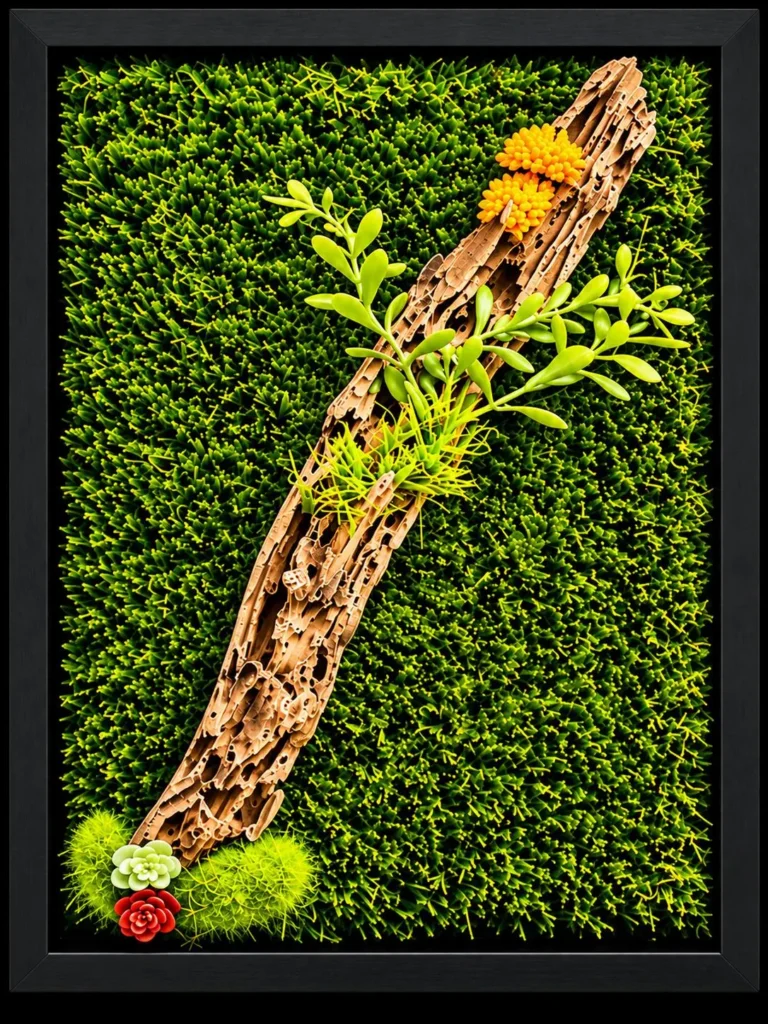
Another reason is the way moss art interacts with light. In a dimly lit corner, a flat poster can look dull. Moss, with its varied tones and slight fuzziness, catches whatever light there is. It creates a soft glow that brightens the area without needing a lamp. That natural light play makes the room feel more open and airy.
How Preserved Moss Art Is Made
Preserved moss is not the same as dried moss. Dried moss becomes brittle and loses colour. Preserved moss is treated with a glycerin-based solution that replaces the moisture in the plant cells. The moss stays soft, supple, and colourful for years. It does not need water, sunlight, or soil. It is a live plant in a suspended state.
Artisans arrange the preserved moss on a backing board, often in a frame or a custom shape. They layer different types of moss to create patterns or gradients. Some pieces incorporate other natural materials like bark, stones, or driftwood. The result is a piece that looks like a living landscape but requires no maintenance.
Because the moss is preserved, it will not wilt, fade, or grow. It stays the same for several years if kept out of direct sunlight and away from high humidity. That makes it a low-maintenance option for people who want greenery without the watering schedule.
Where to Use Moss Art in a Small Home
Moss art fits naturally in a few key spots. The most obvious is the living room. A single large panel above the sofa creates a focal point that draws the eye upward, making the ceiling feel higher. In a bedroom, a small piece above the bed adds a calming element without taking up floor space for a plant stand.
Narrow hallways are another ideal spot. They are often bare because nothing seems to fit. A vertical moss panel runs along the wall and adds interest without blocking the path. The same goes for the area behind a desk in a compact home office. Instead of a cluttered bulletin board, a moss panel provides a quiet backdrop that helps you focus.
Bathrooms can also benefit. The preserved moss does not need light, so it works in windowless powder rooms. Just avoid placing it directly in a steam shower zone. A small piece above the towel rack adds a natural note to an otherwise sterile space.
What to Look for When Choosing Moss Wall Art
Quality varies. The best pieces use high-grade preserved moss that holds its colour and shape. Cheaper options may use dyed moss that fades quickly or sheds. Look for moss that feels soft and springy, not brittle. The backing should be sturdy and the frame or mount should be flush with the wall.
Size matters too. In a compact room, a piece that is too large can overwhelm the space. A piece that is too small gets lost. A good rule is to measure the wall and choose a panel that covers about two-thirds of the available area. That proportion feels balanced without being overbearing.
Colour is another consideration. Moss comes in several natural shades, from deep green to pale chartreuse. Some pieces mix several tones. Choose a palette that complements your existing decor. If the room has warm wood tones, a rich green moss works well. For a cooler, minimalist space, a lighter green or a grey-green adds contrast without clashing.
Finally, consider the mounting system. Most moss art comes with a simple bracket or keyhole hanger. Make sure it is secure, especially if you are placing it above a bed or a sofa. A falling panel is a hazard. If you are unsure about the wall material, consult a professional installer.
How Moss Art Compares to Other Textured Decor
Other textured wall options include fabric panels, wood slats, and plaster finishes. Each has its own feel. Fabric panels add warmth but can collect dust. Wood slats bring a modern look but can feel heavy in a small room. Plaster finishes offer texture but require professional application and are permanent.
Moss art strikes a middle ground. It is soft and organic, easy to install, and removable. It does not require construction or painting. You can take it with you when you move. That flexibility is a big advantage for renters or anyone who likes to change their space regularly.
The natural element is another differentiator. A wood slat wall is still a manufactured product. Moss art brings a piece of the outdoors inside. That connection to nature has a calming effect that synthetic materials cannot replicate. In a small apartment where you may not have a garden or a balcony, that touch of green can make a real difference to your mood.
Practical Tips for Installing Moss Wall Art
Installation is straightforward. Most panels weigh between two and five kilograms, so a standard wall anchor will hold them. Use a level to ensure the piece is straight. If you are mounting multiple panels, leave a small gap between them for a modular look.
Keep the moss away from direct sunlight. UV rays will fade the colour over time. Avoid placing it near radiators, air conditioning vents, or open windows where drafts can dry it out. A stable indoor environment with moderate humidity is ideal.
Dust the moss occasionally with a soft brush or a hairdryer on a cool, low setting. Do not use water or cleaning sprays. The moss is preserved, not alive, so it does not need moisture. If a piece gets dusty, a gentle brush will restore its texture.
If you are buying online, check the return policy. Some sellers offer a satisfaction guarantee. Others may not accept returns on custom pieces. Read the product description carefully. Look for details about the type of moss, the backing material, and the dimensions. If the listing is vague, ask the seller for more information before you buy.
Why Moss Art Is a Smart Choice for Apartments
Apartment living often means working with what you have. You cannot knock down walls or add windows. But you can change how a room feels with the right decor. Moss art is a simple way to add depth, colour, and calm to a small space without major renovation. It works with your existing layout and does not demand upkeep.
For anyone who has tried live plants and struggled to keep them alive, moss art is a relief. It looks like a living thing but requires no watering, pruning, or sunlight. That makes it ideal for rooms with low light or for people who travel often. You get the visual benefit of greenery without the responsibility.
Payment for such a piece can be handled through WooPay, which many online decor retailers now offer. It is a convenient way to complete your purchase without leaving the checkout page.
The natural textures of moss art also pair well with other materials. It looks good against brick, concrete, wood, and painted drywall. It softens the hard edges of modern furniture and adds warmth to minimalist spaces. In a compact room, that softening effect is what makes the difference between a room that feels cramped and one that feels cosy.
Moss art is not a gimmick. It is a practical, design-savvy solution for small spaces. It adds texture, depth, and a sense of calm. It makes a room feel larger without taking up floor space. For anyone living in a compact apartment or working in a narrow office, it is worth considering as a way to make the most of your walls.
When you are ready to select a piece, think about the proportions of your room, the existing colour palette, and the amount of natural light. A well-chosen moss panel can transform a bare wall into a focal point. It does not require a lot of effort, but it delivers a lot of impact.